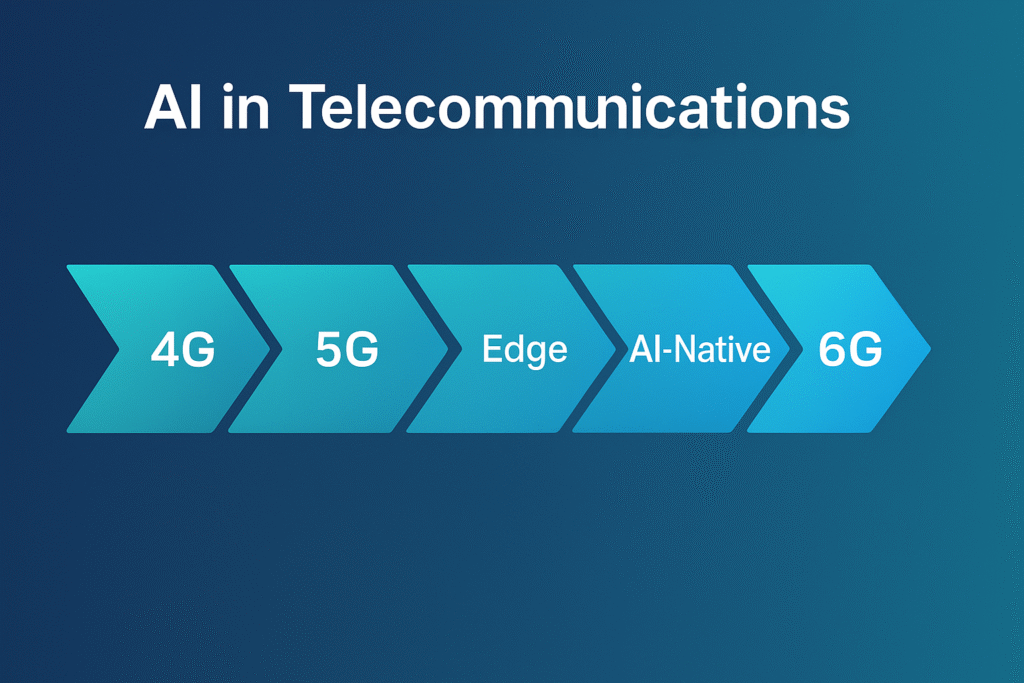
The telecommunications sector is entering a defining decade. As 5G densification, fiber expansion, edge computing, and early 6G research accelerate, network complexity has grown beyond what legacy OSS/BSS systems and human operations can support. According to TM Forum, global operators now manage over 300% more data per subscriber than they did five years ago, yet must deliver lower latency, higher speeds, and stricter SLAs. The pressure is unprecedented. This is precisely why AI in Telecommunications is transitioning from experimental to indispensable. Operators no longer explore AI as a “tool”; they are redesigning future networks as AI-native architectures capable of continuous learning, autonomous decision-making, and zero-touch operations. This article presents seven essential AI applications telecom executives must activate by 2026 to achieve sustainable competitiveness. These applications span operational efficiency, network reliability, revenue generation, customer experience transformation, and long-term strategic planning. If adopted cohesively, they create a closed-loop, self-optimizing ecosystem, the foundation of the next-generation digital telco.
Modern networks are too complex for manual tuning. Network optimization AI enables real-time, autonomous orchestration across RAN, transport, and core. Unlike traditional SON systems, AI-driven optimization learns continuously and enhances performance even in unpredictable traffic environments.
What differentiates advanced operators?
They deploy closed-loop automation, where AI detects anomalies, diagnoses causes, and executes actions without human intervention.
They adopt AI for energy-efficient RAN, reducing consumption during off-peak periods. Vodafone reported a 30% energy reduction through AI-controlled sleep modes.
They integrate AI with 5G AI integration workflows to support SLA-based enterprise use cases.
A GSMA study reports that autonomous optimization can cut OPEX by 15–25%, increase spectral efficiency, and support future AI-native 6G designs where networks reconfigure continuously. This is no longer optional; operators that fail to deploy autonomous operations will struggle to maintain competitiveness as 5G/6G complexity accelerates.
Traditional telecom maintenance relies on reactive repairs or scheduled routines that overlook hidden equipment degradation. Predictive maintenance telecom solutions use AI to evaluate sensor data, environmental conditions, and historical logs to forecast failures with high accuracy.
Real Deployment Examples
AT&T uses AI-driven digital twins to simulate tower stress under weather conditions, reducing outages by over 30%.
Telefonica employs AI to predict fiber degradation, lowering field maintenance costs by 20%.
This application strengthens long-term resilience, a crucial differentiator as networks densify.
3. Hyper-Personalized Customer Experience & Intelligent Care
Customer churn remains a multi-billion-dollar problem. AI-driven personalization, central to AI for customer experience telco strategies, transforms how operators reduce churn and boost ARPU.
What Leading Operators Do
Vodafone TOBi and Verizon’s AI assistants cut handling times by up to 17% and deliver 24/7 multilingual support.
Emotion-aware voice analytics identifies frustration during support calls and routes customers to senior agents.
Intent prediction models personalize offers dynamically based on real-time behavior.
Strategic Gap Addressed Average telco revenue per user (ARPU) is stagnating worldwide. AI-driven personalization changes the economics:
Up to $5–$9 monthly uplift in ARPU through targeted upselling.
15–25% churn reduction for customers flagged by AI-based churn scoring engines.
Competitive Advantage: Operators that deploy AI-driven customer experience outperform rivals through proactive, not reactive, engagement.
4. AI-Powered Fraud Detection & Revenue Assurance
Fraud ranging from SIM-boxing to identity theft costs telecom operators an estimated $38 billion annually (CFCA 2023). Legacy rule-based systems detect only known patterns; AI identifies anomalies before fraud becomes measurable loss. Next-Generation Telco AI Applications Include:
Machine learning models detecting unusual call routing or usage spikes
Identity verification engines analyze behavior rather than just credentials
Real-time blocking of suspicious transactions
Real-World Benchmark: BT uses AI systems capable of analyzing billions of events per second, preventing millions in revenue leakage.
Strategic Benefit: AI-driven fraud detection increases revenue assurance accuracy by 50% while reducing false positives, which improves customer satisfaction, a rarely discussed advantage.
While traditional churn models perform batch predictions, modern AI provides continuous risk scoring, giving operators a 360-degree view of customer intent. Advanced Features
Sentiment analysis across calls, chats, and social interactions
Payment risk modeling (significant in prepaid markets)
Offer optimization engines that test incentive effectiveness
Why Executives Should Care: Acquiring a new mobile subscriber costs 5–7 times as much as retaining one. Operators using modern churn AI have reported:
20–40% improvement in retention campaign performance
Reduction in unnecessary discounts
Higher customer lifetime value
Strategic Limitation Acknowledged: Churn AI requires clean, unified data. Telcos with fragmented CRM systems must modernize before expecting significant AI gains.
6. AI for 5G Network Slicing, Edge Monetization & Enterprise Services
This section needed deeper revenue insights, and here they are. Network slicing is the core monetization engine for 5G, but it is operationally impossible without 5G AI integration. AI allocates resources, predicts traffic, and enforces slice-specific SLAs. Where AI Monetizes 5G for Telcos
Autonomous vehicles (URLLC slices)
Smart factories (dedicated enterprise slices)
Gaming & AR/VR (low-latency consumer slices)
Healthcare tele-robotics
Private 5G networks with dynamic spectrum allocation
This is where telco leadership wins or loses the next decade. AI provides deeper clarity into:
Demographic-based service expansion
Spectrum investment forecasting
Fiber rollout prioritization
5G densification planning
Competitive intelligence modeling
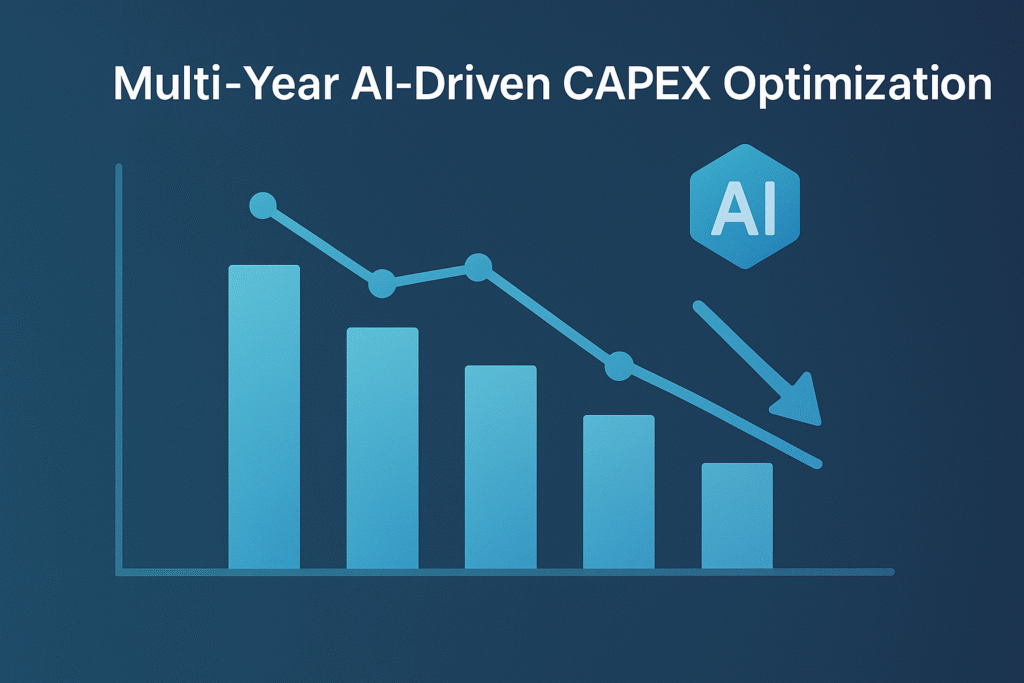
Advanced Use Case: Telefonica’s AI planning engines simulate multi-year deployment scenarios, optimizing CAPEX and accelerating decision-making cycles by up to 40%. Strategic Reality Check Many operators lack the mature data ecosystems required for AI modeling. To unlock forecasting AI power, telcos must invest in:
Unified data fabrics
Cloud-native OSS/BSS
AI governance frameworks
Benefit: AI transforms planning from spreadsheet-based guesswork to evidence-driven strategy, saving 10–15% in CAPEX and improving investment accuracy.
Conclusion
AI Guru, telecommunications is shifting from network-led to AI-native. The seven applications outlined autonomous operations, predictive maintenance, personalized customer experience, fraud prevention, churn intelligence, AI-driven slicing, and strategic forecasting define the competitive landscape for 2026 and beyond. Telcos that embrace AI holistically will unlock:
Lower OPEX
Higher ARPU
New enterprise revenue streams
Zero-touch operations
Unmatched customer satisfaction
The future belongs to operators that build intelligent, learning networks capable of adapting in real time. AI will not merely support telecom operations; it will become the operating system of next-generation networks.
Ready to accelerate your digital transformation? Schedule a strategic AI readiness assessment, contact us for personalized guidance, or share your organization’s AI use cases to benchmark against industry leaders.