Why Retail Small Businesses Without AI Are Quietly Losing Margin, Time, and Market Share
Australian retail is entering a decisive phase. Rising operating costs, tighter consumer spending, staff shortages, and relentless competition from AI-enabled brands mean that small businesses without AI are no longer just inefficient; they are structurally disadvantaged. The reality is confronting:
Manual operations are bleeding profit
Marketing spend is less predictable
Customer expectations are higher than ever
Larger competitors are automating faster than you
This is why AI tools for small businesses are no longer optional in 2026; they are becoming the baseline for survival and growth.
The Real Problems Holding Small Retail Businesses Back and How AI Solves Them
Small retail businesses don’t fail because owners lack passion. They fail because systems don’t scale. Below are the most common operational bottlenecks and how modern AI tools for retail directly address them.
1. Inventory Guesswork and Stock Inefficiencies
The problem: Retailers routinely overstock slow-moving items while running out of high-demand products. This ties up cash flow, increases storage costs, and leads to missed sales. The business impact:
How AI tools for small businesses solve it: AI-powered demand forecasting tools analyse:
Historical sales data
Seasonal trends
Local buying behaviour
Promotions and price sensitivity
These systems automatically recommend optimal stock levels, reducing over-ordering and missed sales.
Outcome: Lower holding costs, improved cash flow, and more reliable revenue forecasting.
2. Inefficient Marketing Spend With Unclear ROI
The problem: Many retail businesses spend thousands on ads, email campaigns, and social media without knowing what truly drives sales. The business impact:
Wasted ad spend
Low customer lifetime value
Inconsistent lead quality
How AI automation for small businesses helps: AI-driven marketing platforms optimise campaigns in real time by:
Identifying high-converting audiences
Predicting which offers will convert
Personalising messaging at scale
Instead of guessing, AI reallocates spend automatically toward what works.
Outcome: Higher ROAS, more predictable growth, and marketing that scales without hiring.
3. Customer Support That Consumes Time and Staff Resources
The problem: Retail owners and staff spend hours answering repetitive questions about orders, delivery, refunds, and product availability. The business impact:
Increased staffing costs
Slower response times
Lower customer satisfaction
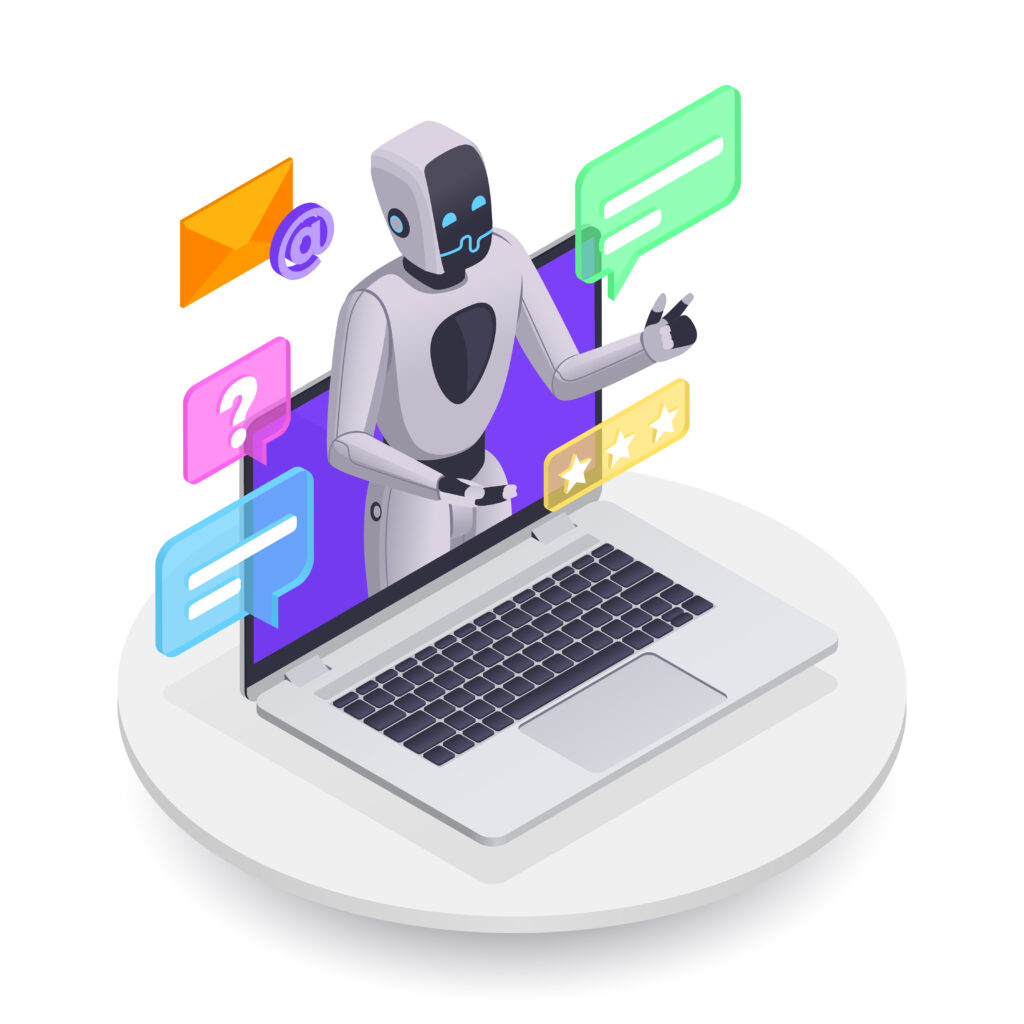
How AI tools for retail solve it: AI chat and support assistants, such as OpenAI-powered conversational systems, handle up to 70–80% of routine enquiries instantly. These tools integrate with your website, POS, and CRM systems.
Outcome: 24/7 support, faster responses, and staff freed for high-value tasks.
4. Pricing Decisions Based on Gut Feel, Not Data
The problem: Retail pricing is often static, whereas competitors dynamically adjust their prices based on demand, stock levels, and market conditions. The business impact:
Choosing the Best AI Tools for Small Businesses in Retail
When advising Australian retailers, I focus on tools that are:
Proven in real retail environments
Scalable without enterprise budgets
Easy to integrate with existing systems
The best AI tools for small businesses are not the most complex; they are the ones that directly improve cash flow, margins, and decision-making. Key categories to prioritise:
AI inventory and demand forecasting
AI-driven marketing optimisation
Customer service automation
Business intelligence and forecasting
The Competitive Reality for Australian Retail in 2026
Your competitors are already adopting AI, often quietly, often incrementally, but consistently. The real risk is not choosing the wrong AI tool. The real risk is waiting too long to act. Retail is becoming a technology-enabled industry, whether business owners like it or not.
Final Thoughts: The Decision Every Retail Owner Must Make
The question is no longer “Should small businesses use AI?” The real question is:
Will your retail business lead the change or struggle to catch up?